The 0–7 Window: Why Your Child's First Years Decide So Much
Megha Gupta
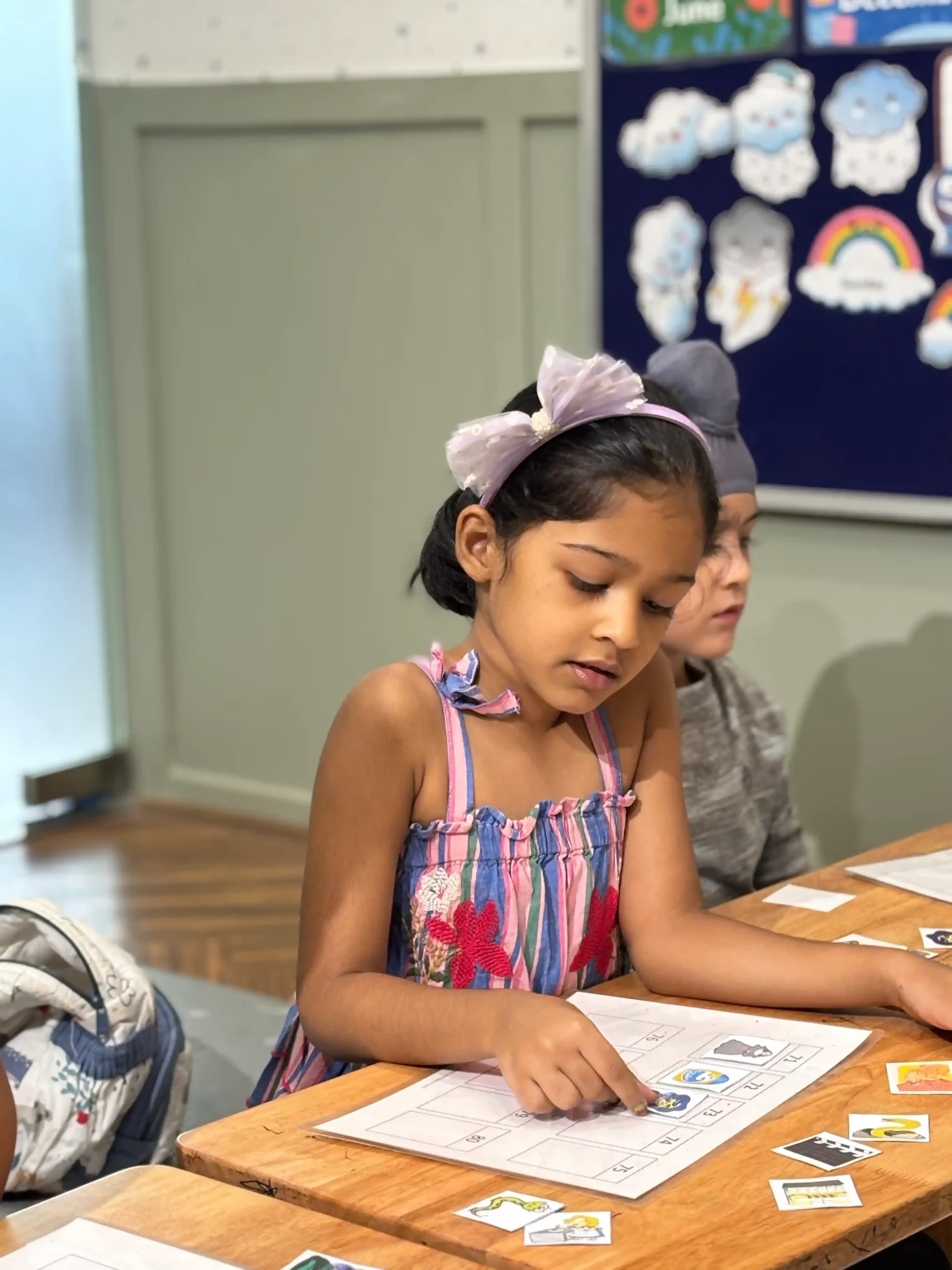
If you have ever watched a two-year-old learn a song after hearing it a handful of times, or a four-year-old pick up a second language simply by being around it, you have seen the 0–7 window at work. In these years a child's brain is doing something it will never do again quite so easily: building itself.
What actually happens in the brain before seven
In the first years of life the brain forms new connections — synapses — at an extraordinary rate, far faster than at any later stage. This is the period of peak neuroplasticity: the brain is unusually open to being shaped by experience. The inputs a child receives in these years don't just teach facts; they help decide the very architecture of how that child will think, remember, and imagine.
After this window the brain becomes more efficient by pruning — keeping the connections that get used and letting the rest fade. What a child practises and delights in during the early years is, in a very real sense, kept. What they never encounter is quietly let go.
Why the right brain leads early on
In these early years the right brain — fast, intuitive, image-rich, pattern-seeing — is naturally dominant. Young children absorb whole patterns at speed and link images to meaning effortlessly, long before the slower, analytical left brain is ready to lead. The most effective early development works with this natural dominance rather than against it, building memory, imagination, and intuition first, and giving the left brain a far stronger foundation to grow on later.
What this means for you as a parent
The 0–7 window is not a reason for pressure. It is a reason for intention. The same plasticity that makes these years so powerful also means they respond best to input that is joyful, repeated, and rich — not to drilling.
A few things matter more than most:
- Joyful exposure beats effortful study. Children this young learn through delight, not pressure. The aim is engagement, not performance.
- Repetition makes it stick. A concept tends to become durable after roughly ten to fifteen joyful exposures — familiar patterns returning in new, fun forms.
- Movement is learning. The young brain learns through the body; rhythm and movement wire cognition, they don't interrupt it.
- Starting earlier matters. Because the window narrows, the same activity simply has more effect at three than at seven.
Making the most of the window
You don't need to turn your home into a classroom. You need rich, warm, repeated experiences — and, where you want structure, an approach built specifically around how the young brain develops. That is exactly what the ThinkRight methodology is designed to do: develop the whole mind during the years it is most ready.
The window is open now. The best time to begin is while it is.
Curious what this looks like in practice? Book a free demo class at your nearest ThinkRight centre and watch your child in a session.